

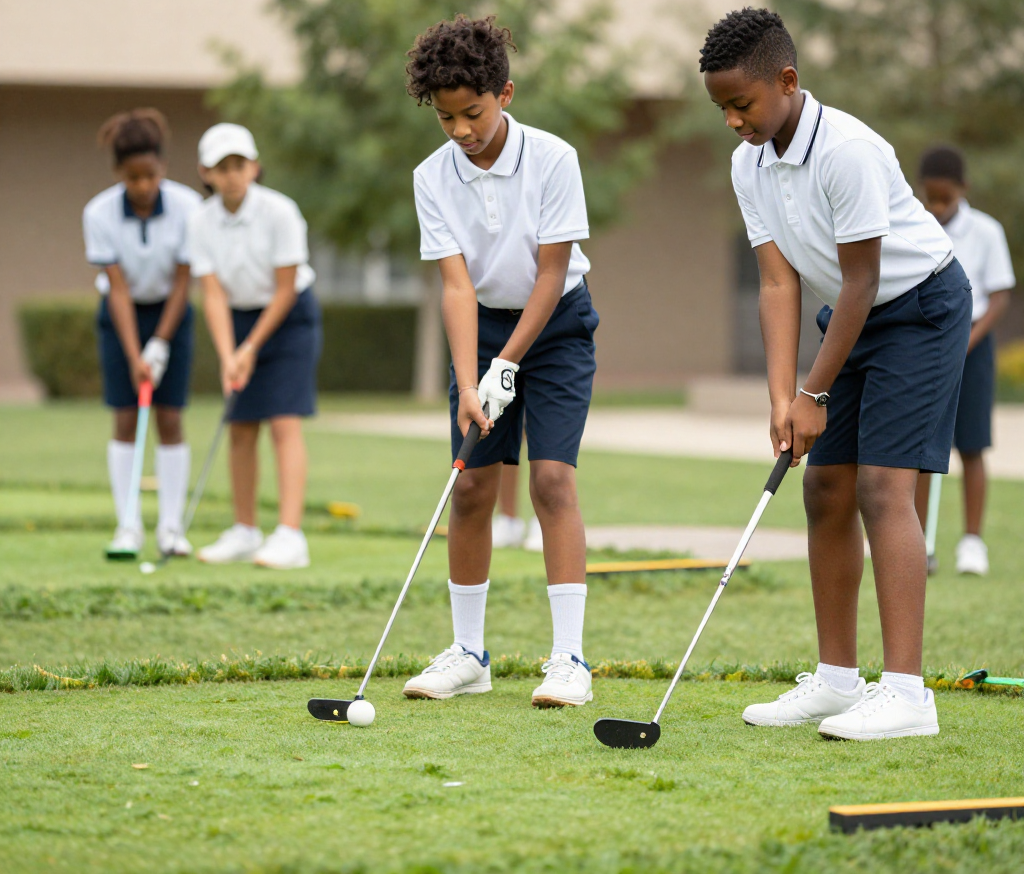

Redefining Golf for Kenyan Youth: A Call to Action
Picture this: a young boy in Nairobi peering through the fence of a golf course, his eyes wide with curiosity. The allure of the game is palpable, yet a sense of inaccessibility hangs in the air—a whisper of exclusivity that keeps many Kenyan children on the outside looking in. It’s a familiar scene, but it doesn’t have to be this way. The reality is clear: Golf is perceived as an elite sport, and this perception is a barrier that we must dismantle to foster inclusivity and opportunity for all children in Kenya.
Shattering the Illusions of Exclusivity
For too long, the narrative around golf has been that it is reserved for the wealthy, perpetuated by high costs and elite memberships. The problem is not the sport itself but the systemic barriers that prevent entry. Most people assume that golf is inherently expensive, but in practice, creative solutions can make it accessible and affordable. We must challenge these assumptions by reimagining how golf can be introduced to Kenyan children.
Practical Strategies to Break Financial Barriers
Addressing the financial hurdles requires a multi-faceted approach. Here’s what it means for parents and schools:
- Community Golf Programs: Establishing low-cost community golf programs can democratize access. By securing community spaces and volunteer instructors, golf can be brought to local parks and schools without the need for costly infrastructure.
- Partnerships and Sponsorships: Schools and youth organizations should actively seek partnerships with local businesses and sports equipment brands. These collaborations can provide necessary equipment and subsidize access to golf facilities.
Why does this matter? When financial barriers are removed, a more diverse group of children can experience the benefits of golf, from physical fitness to strategic thinking. It’s not just about making the sport cheaper; it’s about making it fair and inclusive.
Correcting Misconceptions About Golf’s Accessibility
The uncomfortable truth is that many leaders in education and community programs still view golf as an inaccessible luxury. However, this mindset overlooks the core issue: accessibility is less about cost and more about awareness and opportunity. Schools and parents need to be informed about existing programs and the benefits of golf beyond just the game.
To shift this narrative, educational initiatives should focus on:
- Workshops for Parents and Educators: These can illuminate the benefits of golf and how it can be integrated into everyday life.
- Exposure Events: Host events where families can experience golf without cost barriers, showcasing the sport’s accessibility and enjoyment.
Ignoring these misconceptions perpetuates an elite image and closes doors for potential young talents who could thrive in golf.
Building an Inclusive Golf Culture
The path to inclusivity begins with grassroots efforts. Parents and schools have the power to redefine golf culture in Kenya. It starts with small actions:
- Organize Local Tournaments: Create platforms for children to showcase their skills and experience competition in a supportive environment.
- Incorporate Golf into School Curriculums: As part of physical education, golf can be introduced as a regular sport, offering students a new avenue for personal growth.
What feels like a limitation is often a decision not to prioritize inclusivity. By committing to these actions, we can cultivate a new generation of golfers who reflect the diversity and vibrancy of Kenyan youth.
Ready to take action? Together, we can change perceptions and open up the world of golf to every child in Kenya. For more information on how to participate or support these initiatives, talk to us at 1906 Golf Kenya.
Further Reading
📸 Photo from Unsplash.